


Debbie Leonard, MEd, served in urban middle school classrooms for over 25 years and as an instructional coach for 10 years. She is an education researcher and cofounder of BrainZones, translating learning science into practical, classroom ready strategies.
December is a wonderful month for many things, however, attention span is not one of them. Students arrive with shorter focus, higher energy, and a brain that needs frequent resets to stay engaged. Luckily, the science is clear: small, well-timed movement breaks sharpen attention and strengthen memory. Even 30–60 seconds can make a measurable difference.
The Science: Attention Resets Keep Learning Alive
The brain isn’t wired for long stretches of passive focus. When students sit too long, the central executive network tires, working memory becomes overloaded, and attention drifts.
But movement changes everything.
Even mild physical activity increases oxygen flow, activates the attention networks, and primes the hippocampus, the system responsible for storing new information. These quick resets make the next round of learning more productive and more memorable.
The research is remarkably consistent:
Short activity boosts improve attention and executive function.
Movement increases recall, especially when paired with simple cognitive tasks.
Social interaction during learning increases meaningful encoding.
In short: if the brain is awake, the memory is stronger.
The Idea: Momentary-Movement Breaks
Teachers don’t need long activities; they need simple, no-prep resets that work during the messy, joyful, fractured rhythm of December.
That’s where Brain Boosts get their name. They are intentional movement bursts that increase oxygen, get attention back online, and reduce cortisol levels so learning can keep moving.
“Even brief activity breaks lead to measurable gains in academic engagement.”
(Howie, Beets, & Pate, 2014)
The Outcome: Better Focus, Better Behavior, Better Learning
When students stand and move, or briefly interact:
Attention rebounds
Mood stabilizes
Social engagement increases
Working memory becomes more efficient
The next chunk of teaching sticks better
Bring them back to their seats, take a few deep breaths and you will immediately feel the shift as brains and bodies reengage, and learning seems more attainable.
Featured Strategy: Move and Mingle
A two-minute attention reset that wakes up the brain and brings students back ready to learn.
🎵 Move to the Music
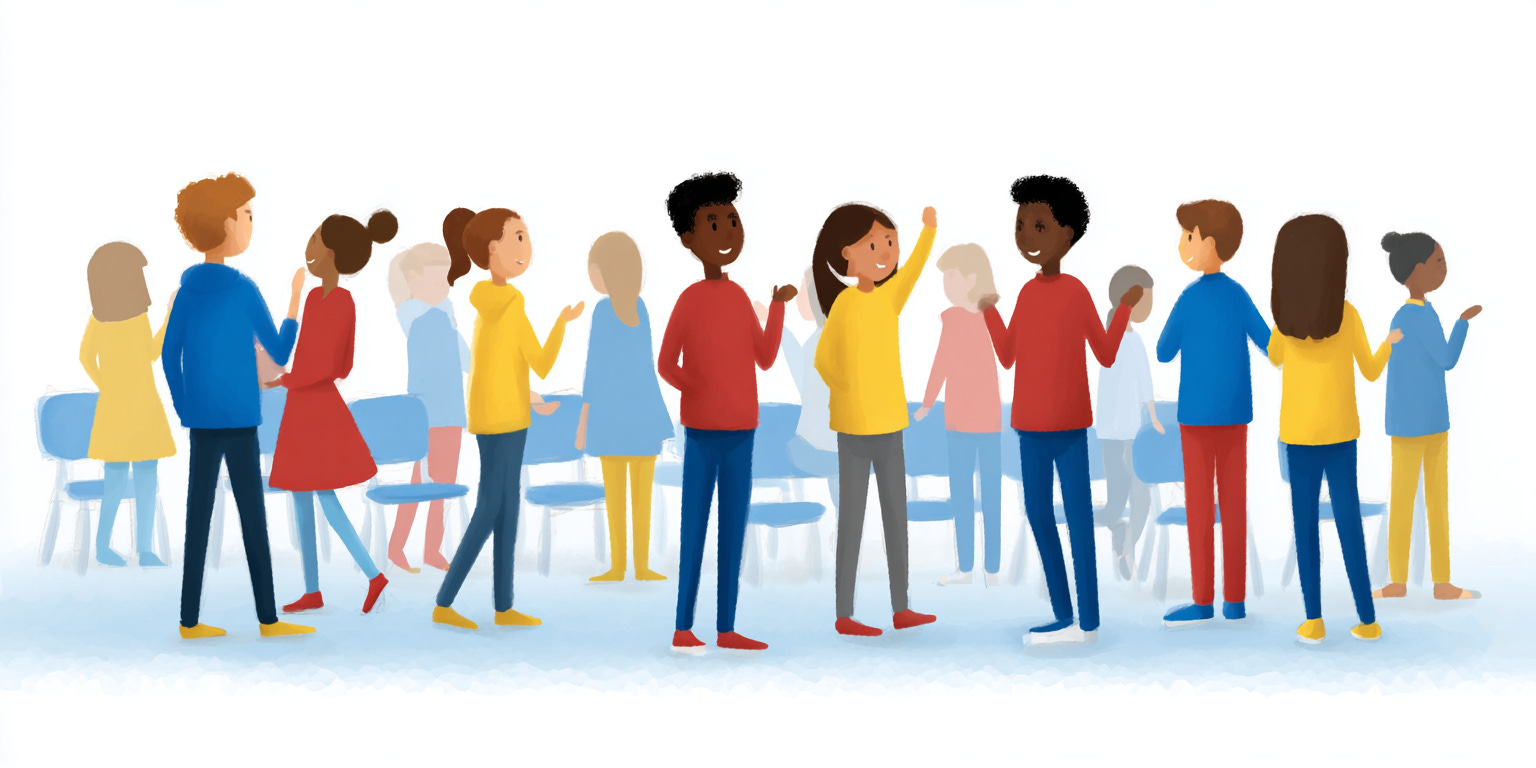
Play funky music as students spread out and move around the room. When the music stops, they freeze and stand with the peer closest to them.
🧠 Think Time
Give a lesson-aligned prompt, then 10 seconds for students to form one idea; quick notes allowed only if stuck.
💬 Sentence Start
Offer simple sentence starters (“I noticed…,” “I think this because…”) so all students can enter the conversation smoothly.
👥 Partner Share
Both partners get 10 seconds to share their idea; notes may be used only when needed.
🔁 Repeat & Build
Students repeat one idea their partner said, then add a new detail or thought of their own.
🔄 New Music, New Partner
Start the music again. Students move around, stop when the music cuts, find a new nearest partner, and repeat the cycle with a fresh prompt.
Why it works:
Between the movement, the challenging question, and the pressure to perform you have everyone’s body and brain engaged. Students can sit back down with renewed energy and improved readiness for the next task.
Wrap Up
Between the movement, the cognitively demanding question, and the brief social interaction, both the body and the brain are engaged. Students return to their seats with renewed energy and improved readiness for what comes next.
Micro-movements like this don’t interrupt learning, rather they protect it. When attention starts to fade, a short, intentional reset helps students re-enter instruction more focused, regulated, and ready to think.
Small shifts. Stronger learning
In Conclusion
No-Plan Energizing Strategies
Small, intentional bursts of movement can make a meaningful difference in student attention and readiness to learn. A no-plan strategy that brings energy and engagement to your students is a win-win for everyone.
Throughout the rest of the week, I’ll be sharing additional quick, easy-to-implement strategies that can be dropped into any lesson to restore focus and energy. Watch for these in Notes on Substack, and follow BrainZones on social media for daily ideas.
Thanks for reading,
Debbie and the BZ team
For Teachers Who Want Science to Feel Simple
BrainZones transforms the science of learning into simple, practical strategies teachers can use right away. Explore the free strategy library anytime at brainzones.org → Free Library