


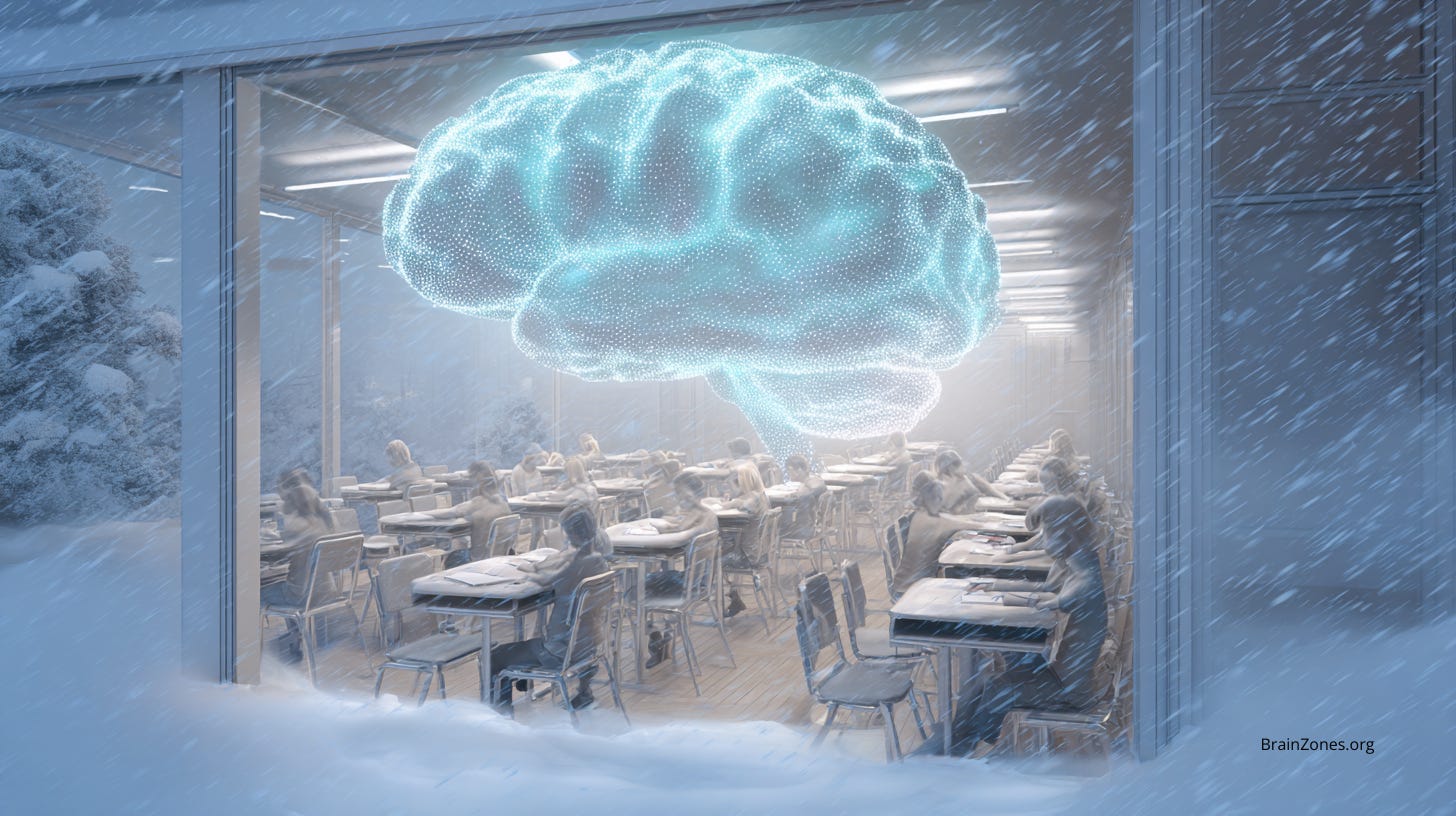
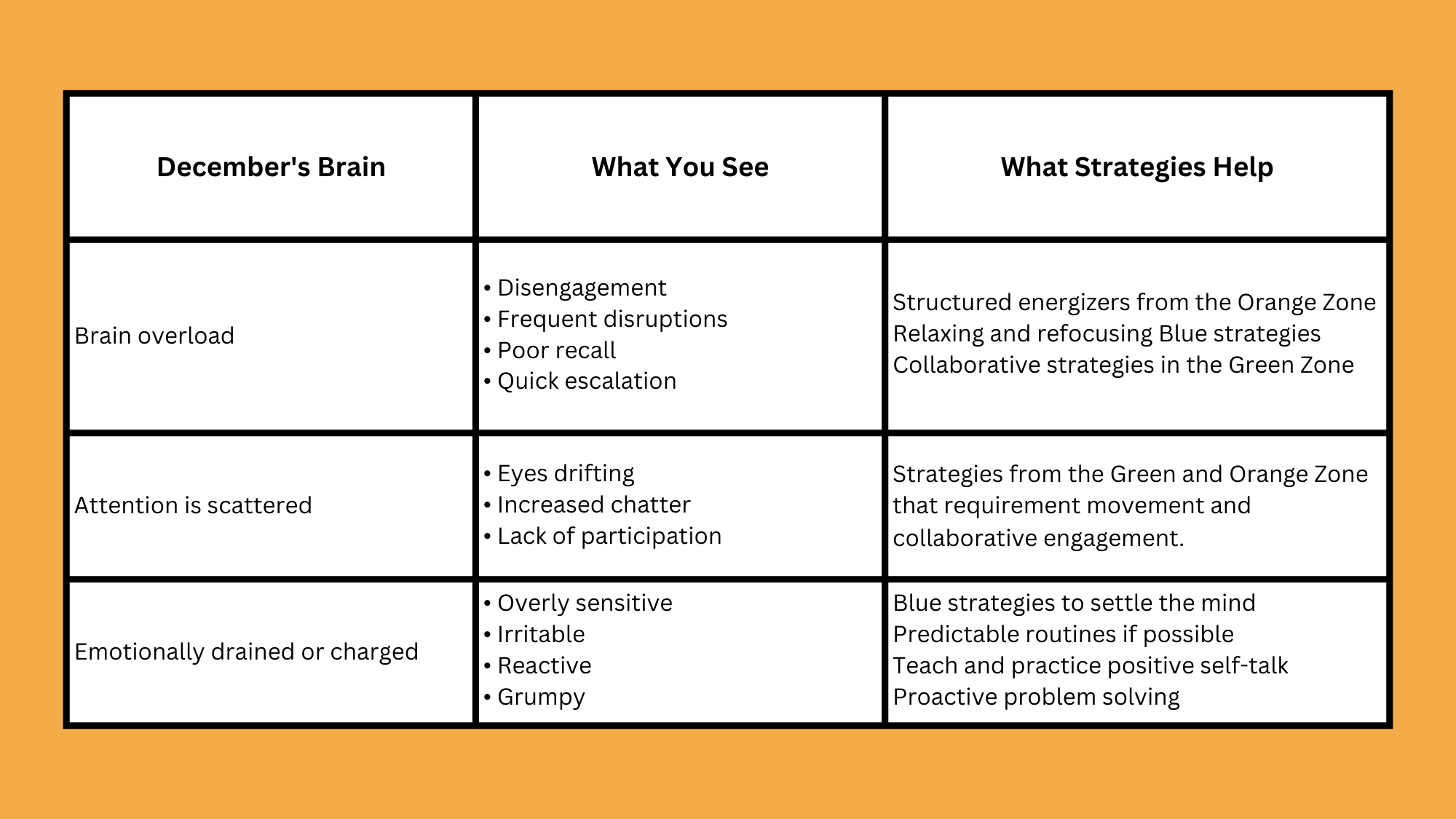
December brings a different kind of struggle for both teachers and students. Short days, indoor recess, cold weather, and disrupted routines chip away at everyone’s energy. The mind feels crowded and easily overwhelmed. It is not the content and it is not a lack of effort. It is the accumulation of changes, emotions, and to-do lists that drain focus and leave the brain working harder than usual.
When the brain is stretched thin, recall slips and attention scatters. It is not a motivation issue or a behavior issue. It is a cognitive load issue.
This is why short, energetic recall challenges work. Movement, excitement, and light competition reset attention and strengthen the neural connections that help memory stick.
What memory really needs in class
December creates a perfect storm for students, with stress and fatigue coming from all directions. Working memory is juggling far more than academic content. The classroom can feel predictable and routine, allowing engagement and attention to drift. Outside of school, students are navigating changing schedules, social worries, holiday performances, and extra family stress. These small shifts add up. Emotional load grows, and the brain begins to set aside learning in order to manage everything else competing for its attention.
Cognitive load increases when:
routines shift
emotional uncertainty rises
attention is fragmented
tasks feel heavier than usual
In this state, the brain becomes protective. It conserves energy and prioritizes immediate needs over new learning. This is why classroom management feels heavier, lessons feel harder to sustain, and learning becomes more fragile in December.
For memory to stick, the solution is not to push harder. The solution is to support the brain with short, energizing moments that recapture attention and create the neural activity needed for recall.
Why movement boosts memory
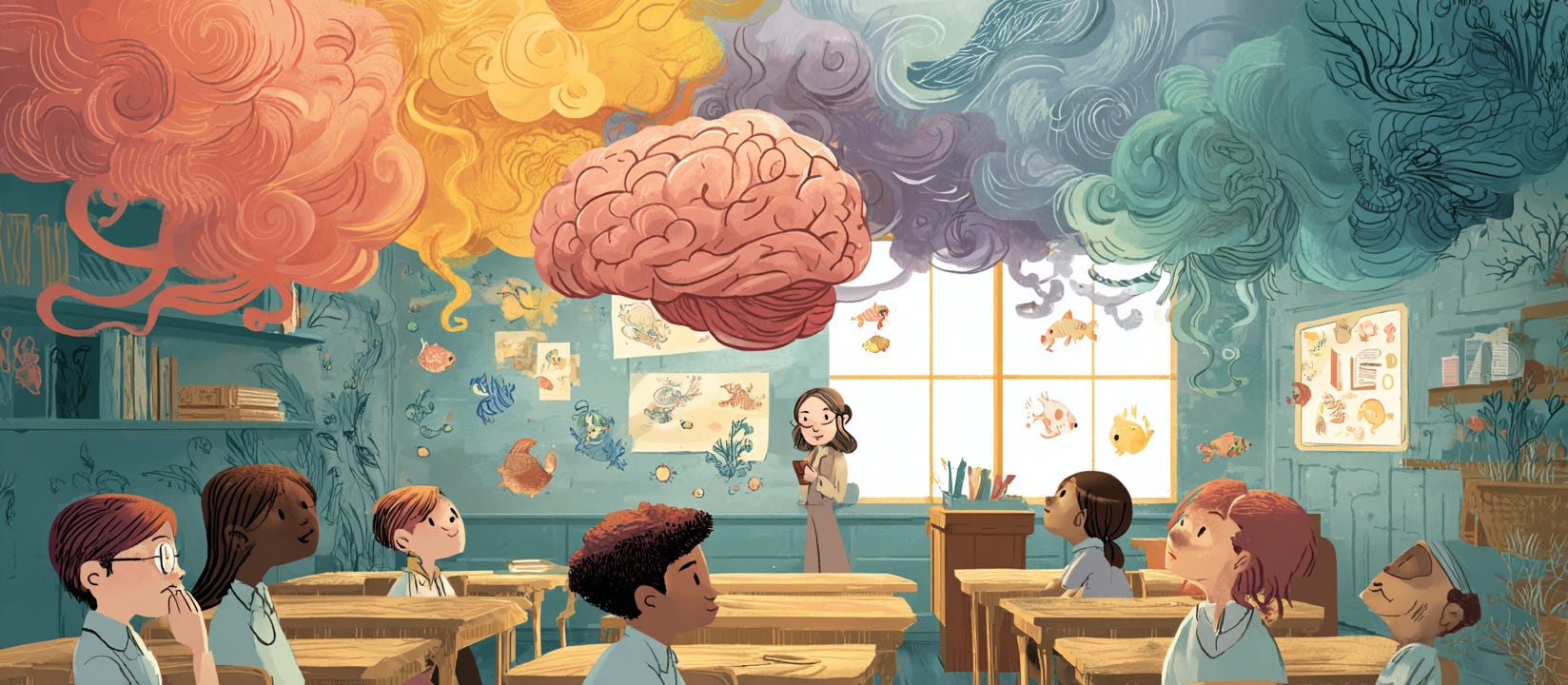
Movement does more than “release energy.” When woven intentionally into a lesson, movement:
resets the attention system
wakes up alertness
links action to content
encourages quick peer interaction
adds emotional engagement (“fun pressure”)
You don’t need a full kinesthetic lesson. You just need short bursts where bodies and brains work at the same time.
That’s the intention of Orange Zone strategies.
Strategy Spotlight
When students are overloaded, the brain protects itself by dialing down attention and conserving energy. High-energy, quick-recall tasks interrupt that pattern. They wake up the attention system, spark peer interaction, and send a clear signal to the brain that the material matters.
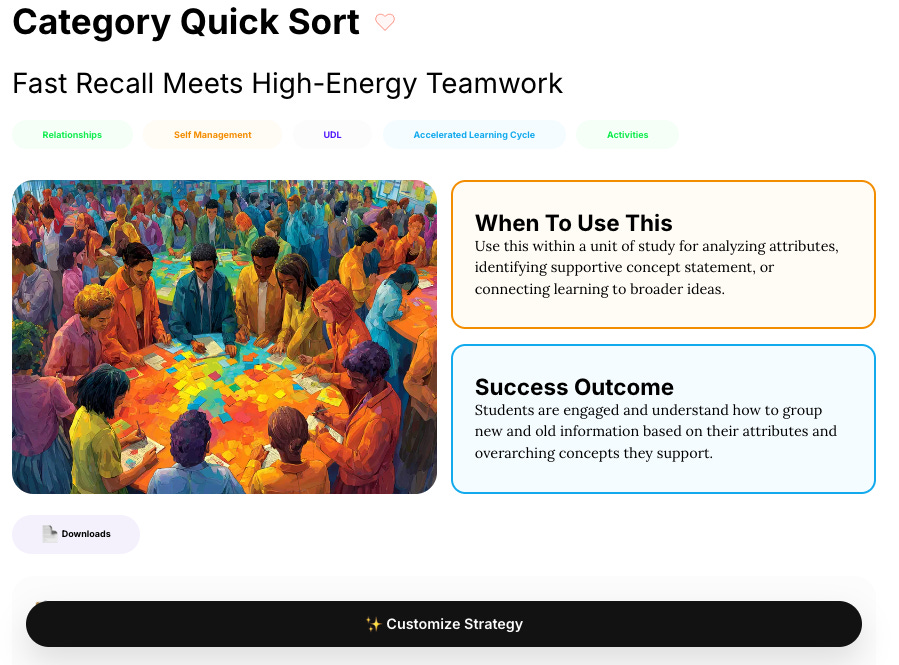
Category Quick Sort
Fast recall, visible thinking, full-class energy
Category Quick Sort transforms routine review into a high-energy challenge. Students must recall meanings, negotiate placements, and justify thinking, all while the clock is ticking. For more detailed directions and additional resources check the strategy out in the free BZ app.
How it works
Provide 12–16 concept statements, or unit themes, or vocabulary related words.
Set a short timer (40–90 seconds).
Students sort the cards into teacher-created or student-created categories.
After time is up, groups explain and revise their placements.
Students stay mentally active as they retrieve information, compare ideas, and justify their choices under light time pressure.
Fast recall grabs attention; shared reasoning anchors it. Together, they connect new learning to prior knowledge and deepen understanding.
Why it supports memory
Students pull meaning from memory instead of re-reading.
Identifying common characteristics among ideas, places, or given items, builds neural connections
Movement + quick talk creates the neural activity that strengthens memory pathways.
Category Quick Sort is an Orange strategy and one of the fastest ways to jolt energy and check for understanding in any content area.
Circle of No Repeats
Verbal recall, listening pressure, collaborative momentum
Circle of No Repeats turns a simple share-out into a rapid, brain-aligned recall burst. Students offer one unique takeaway, detail, or idea; no one may repeat what has already been said. This creates productive pressure that sharpens attention and boosts retention.
How it works
Students form a circle (or stay seated and go in order).
Give a prompt such as:
“Name one takeaway from today.”
“Apply one concept from this unit to your life.”
“Share one insight from the reading.”
Each student must provide something new — no repeats.
Adaptations: pair students, allow one “pass,” or let peers support.
Continue until the circle completes a round or energy peaks.
Unique contributions keep attention active and strengthen memory through verbal retrieval and light social accountability.

Why This Works
When students actively retrieve information, the brain strengthens the neural pathways that store it.
Re-reading creates:
familiarity, not mastery
overconfidence
fragile memory
Retrieval activates:
the hippocampus (memory formation)
the prefrontal cortex (effortful recall)
the attention networks
deeper encoding through effort
Strategies In Action
Try this simple flow:
Start with 1–2 minutes of Circle of No Repeats to reactivate yesterday’s learning.
Introduce new content and discuss connections.
20-minute mini-lesson: explain, model, and practice. Create 10–12 concept cards.
Add Category Quick Sort to check how students are organizing and applying ideas.
End with a a quick Blue Strategy, such as Cosmic Reflection, to settle the mind and body and reinforce learning.
Across the lesson, students sit, stand, talk, and move with purpose; a sequence that naturally supports attention and retention.
Start small this week
Choose one of the strategies above and try it once. Watch for shifts in student energy, focus, and recall. The goal in December isn’t perfection. It’s protecting learning by supporting the brain.
For more Orange Zone, memory-aligned strategies, visit brainzones.org for access to the free strategy library.
With warm wishes,
Debbie and the BZ team
If this was helpful, consider saving it for later or sharing it with colleagues who may also appreciate free and fresh ideas to support learning. You can find more brain-aligned strategies and Orange Network ideas at brainzones.org.